The Purple-black Lacquered Stunner Geogenanthus Ciliatus: A Rare Beauty
Have you ever heard of the purple-black lacquered stunner Geogenanthus ciliatus? This rare beauty is a species of the Marantaceae family, native to the rainforests of South America. Its unique coloration and stunning appearance make it a highly sought-after plant for collectors and enthusiasts alike.
What Makes Geogenanthus Ciliatus Unique?
Geogenanthus ciliatus is known for its striking purple-black leaves, which have a glossy, almost lacquered appearance. The leaves are elongated and pointed, with small hairs along the edges that give them a fringed look. The undersides of the leaves are a deep maroon color, adding to the plant's overall visual appeal.
The plant produces small, white flowers that resemble those of other members of the Marantaceae family. However, it is the foliage that truly sets Geogenanthus ciliatus apart from other plants.
Growing Conditions
Geogenanthus ciliatus thrives in warm, humid environments. It requires well-draining soil that is rich in organic matter, as well as consistent moisture levels. The plant prefers bright, indirect light and can be grown indoors or outdoors in warmer climates.
As with many tropical plants, Geogenanthus ciliatus benefits from regular fertilization during the growing season. It is important to avoid overwatering, as this can lead to root rot and other issues.
Propagation
Propagation of Geogenanthus ciliatus can be through division or by rooting stem cuttings. It is important to ensure that each division has several healthy roots and shoots, and that stem cuttings are taken from mature, healthy plants.
Propagation can be challenging, but with the right conditions and care, it is possible to grow new plants from existing specimens.
Common Issues
Like many plants, Geogenanthus ciliatus can be susceptible to pests such as spider mites and mealybugs. It is important to monitor plants regularly for signs of infestation and to treat any issues promptly.
Overwatering can also be a common issue with this plant, leading to root rot and other problems. It is important to allow the soil to dry out slightly between waterings, and to avoid letting the plant sit in standing water.
Cultivation
Geogenanthus ciliatus is a relatively rare plant, and as such, it can be difficult to find for sale. However, it is possible to cultivate the plant through propagation or by purchasing seeds from specialty nurseries.
The plant is highly prized by collectors and enthusiasts due to its unique coloration and striking appearance. It is a true conversation piece and adds a touch of exotic beauty to any collection.
Ethnobotanical Uses
While Geogenanthus ciliatus is primarily grown for ornamental purposes, it does have some ethnobotanical uses as well. In traditional medicine, the plant has been used to treat a variety of ailments, including respiratory issues and inflammation.
Some indigenous cultures also believe that the plant has spiritual properties and use it in various rituals and ceremonies.
Conservation Status
Due to its rarity and demand among collectors, Geogenanthus ciliatus is considered a threatened species in the wild. Deforestation and habitat loss are major threats to the plant's survival, and efforts are being made to preserve its natural habitat.
It is important for growers and collectors to ensure that they are sourcing their plants ethically and sustainably, to help protect this beautiful species for future generations.
Geogenanthus ciliatus is truly a rare and stunning beauty, with its deep purple-black leaves and glossy appearance. While growing and propagating the plant can be challenging, it is well worth the effort for collectors and enthusiasts who appreciate its unique qualities.
Whether grown indoors or out, this plant adds a touch of exotic elegance to any space. And with its potential medicinal properties and conservation status, Geogenanthus ciliatus is more than just a pretty face.
Frequently Asked Questions
Q1: Is Geogenanthus ciliatus a difficult plant to grow?
A1: Yes, Geogenanthus ciliatus can be challenging to grow due to its specific environmental requirements. However, with proper care and attention, it is possible to cultivate healthy, thriving plants.
Q2: Can Geogenanthus ciliatus be grown outdoors?
A2: Yes, Geogenanthus ciliatus can be grown outdoors in warmer climates. It prefers bright but indirect light and consistent moisture levels.
Q3: How do I propagate Geogenanthus ciliatus?
A3: Propagation can be through division or by rooting stem cuttings. It is important to ensure that each division or cutting has several healthy roots and shoots.
Q4: What are some common issues with Geogenanthus ciliatus?
A4: Overwatering and pest infestations, such as spider mites and mealybugs, can be common issues with this plant.
Q5: Does Geogenanthus ciliatus have any ethnobotanical uses?
A5: Yes, the plant has been used in traditional medicine to treat respiratory issues and inflammation. Some indigenous cultures also believe that it has spiritual properties.
Q6: Why is Geogenanthus ciliatus considered a threatened species?
A6: Deforestation and habitat loss are major threats to the plant's survival in the wild.
Q7: Where can I buy Geogenanthus ciliatus?
A7: The plant can be difficult to find for sale, but specialty nurseries may carry it. Propagation through division or by rooting stem cuttings is also an option.
Q8: What are some similar plants to Geogenanthus ciliatus?
A8: Other members of the Marantaceae family, such as Calathea and Stromanthe, share similar foliage and environmental requirements.
Q9: Can Geogenanthus ciliatus be grown in a terrarium?
A9: Yes, Geogenanthus ciliatus can be grown in a terrarium as long as it has access to bright, indirect light and consistent moisture levels.
Q10: How big does Geogenanthus ciliatus grow?
A10: Geogenanthus ciliatus typically grows to be about 12-18 inches tall and wide.
12 The purple-black lacquered stunner geogenanthus ciliatus Images

Geogenanthus Ciliatus Aka The Geo Planta Nearly Black Houseplant In

Geogenanthus Ciliatus Aka The Geo Planta Nearly Black Houseplant In

Seersucker Plant Geogenanthus Poeppigii Plants Understory Plants

Geogenanthus Ciliatus September 2022 In 2022 Bowl Serving Bowls

650 House Plants Ideas In 2022 Plants House Plants Indoor Plants
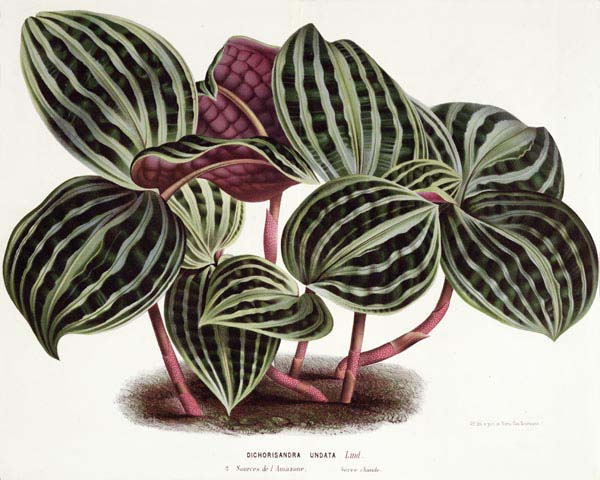
Geogenanthus Undatus As Dichorisandra Undata Botanical Prints

Black Swedish Ivy Plectranthus Ciliatus Buy It Now How To

Geogenanthus Undatus Plants Cool Plants Plant Leaves

Geogenanthus Ciliatus Plant Leaves Plant Pictures Plants

Frame Cabinet Taupe Black Semi In 2022 Mdf Cabinets Framed

Correlophus Ciliatus Diaframma 22 Camera NIKON D810 Lunghezza

Geogenanthus Ciliatus Aka The Geo Planta Nearly Black Houseplant In
Post a Comment for "The Purple-black Lacquered Stunner Geogenanthus Ciliatus: A Rare Beauty"