Repotting Calathea: Everything You Need to Know
Are you a plant enthusiast who is looking for ways to take care of your Calathea? Are you tired of seeing your plant wilting and not growing the way it should? Well, one solution that could be the answer to your problems is repotting. In this blog post, we will be discussing everything you need to know about repotting Calathea.
Calathea is a beautiful plant that has become increasingly popular among plant enthusiasts. It is known for its vibrant colors, unique patterns, and easy maintenance. However, as with any other plant, Calathea needs proper care and attention to thrive. One of the most important aspects of taking care of your Calathea is repotting. Repotting is the process of transferring your plant from its current pot to a new one. It is necessary to do this when your plant outgrows its pot or when the soil becomes too compacted.
In this blog post, we will guide you through the entire process of repotting Calathea. We will discuss when to repot, how to choose the right pot, what soil to use, and much more. So, let's get ed!
When to Repot Your Calathea
The first question that comes to mind when it comes to repotting is when to do it. Generally, it is recommended to repot your Calathea every 12 to 18 months. However, there are several signs that indicate it's time for repotting, such as:
- The roots have grown out of the drainage holes.
- The soil has become compacted and does not drain well.
- The plant appears to be root-bound, meaning the roots are tightly packed and cannot grow any further.
- The plant is showing signs of stunted growth, such as small leaves and slow growth.
Choosing the Right Pot
Choosing the right pot for your Calathea is crucial. The pot should be slightly larger than the current one, but not too big. A pot that is too large can cause the soil to stay wet for too long, leading to root rot. When choosing a pot, make sure it has drainage holes at the bottom to allow excess water to drain out.
There are several materials you can choose from when it comes to pots, such as terracotta, ceramic, plastic, or metal. Each material has its own pros and cons. Terracotta pots are porous and allow the soil to breathe, but they can dry out quickly. Ceramic pots are sturdy and come in various designs, but they can be heavy and breakable. Plastic pots are lightweight and affordable but may not be as durable as other materials.
Soil Requirements
Choosing the right soil is equally important as choosing the right pot. Calathea prefers well-draining soil that is rich in organic matter. You can mix equal parts of peat moss, perlite, and vermiculite to create an ideal soil mix for your Calathea. Alternatively, you can use pre-mixed potting soil that contains all the necessary nutrients.
It's essential to avoid using garden soil or soil from your yard, as it may contain pests, diseases, or harmful chemicals that can harm your plant.
Repotting Process
Now that you have chosen the right pot and soil mix, it's time to repot your Calathea. Here is a step-by-step guide on how to do it:
- Water your Calathea a day before repotting to make it easier to remove it from the pot.
- Fill the new pot with a few inches of soil.
- Gently remove the plant from its old pot by tipping it upside down and tapping the bottom of the pot.
- Carefully loosen the roots and remove any dead or damaged ones.
- Place the plant in the new pot and fill the remaining space with soil.
- Water the plant thoroughly and let the excess water drain out.
Aftercare
After repotting your Calathea, it's essential to take good care of it to ensure its healthy growth. Here are some aftercare tips:
- Place your plant in a bright, indirect light spot.
- Avoid placing it in direct sunlight as it can burn the leaves.
- Keep the soil moist but not wet. Water the plant when the top inch of soil feels dry.
- Avoid over-fertilizing your plant as it can damage the roots. Use a balanced fertilizer every 2-3 months.
Common Problems and Solutions
Calathea is generally an easy-to-care-for plant, but like any other houseplant, it can experience problems. Here are some common issues you might face and their solutions:
Yellowing Leaves
Yellowing leaves could be a sign of overwatering or underwatering. Check the soil moisture level and adjust your watering schedule accordingly.
Curling or Wilting Leaves
Curling or wilting leaves could indicate low humidity levels. Calathea prefers high humidity levels of around 60-70%. You can increase humidity by misting the leaves or placing a humidifier nearby.
Pests
Calathea can attract pests such as spider mites, mealybugs, or scale insects. You can use insecticidal soap or neem oil to get rid of them.
Repotting Calathea is an essential aspect of taking care of your plant. It ensures that your plant has enough space to grow and thrive. In this blog post, we have discussed everything you need to know about repotting Calathea, including when to repot, how to choose the right pot and soil mix, and aftercare tips. Remember to take good care of your Calathea to ensure its longevity and beauty.
FAQs
Q1. How often should I water my Calathea?
A1. Calathea prefers moist but not wet soil. Water it when the top inch of soil feels dry.
Q2. Can I use regular garden soil for repotting?
A2. No, it's not recommended as it may contain pests, diseases, or harmful chemicals that can harm your plant.
Q3. Why is my Calathea losing leaves?
A3. Calathea can lose leaves due to several reasons, such as overwatering, underwatering, low humidity levels, or pests.
Q4. How do I increase humidity for my Calathea?
A4. You can increase humidity by misting the leaves or placing a humidifier nearby.
Q5. How often should I fertilize my Calathea?
A5. Use a balanced fertilizer every 2-3 months.
Q6. Can I propagate my Calathea during repotting?
A6. Yes, you can propagate your Calathea by dividing the plant during repotting.
Q7. Can I use tap water to water my Calathea?
A7. Yes, you can use tap water, but it's recommended to let it sit overnight to allow chlorine and other chemicals to evaporate.
Q8. How big should the new pot be for repotting?
A8. The new pot should be slightly larger than the current one, but not too big.
Q9. Should I prune my Calathea before repotting?
A9. It's not necessary, but you can trim any dead or damaged leaves or stems.
Q10. Can I repot my Calathea anytime during the year?
A10. It's recommended to repot your Calathea during the growing season, which is spring or summer.
13 Repotting calathea Images

Repotting A Rabbits Foot Fern Plant How And When To Repot Rabbits

Flaming Hot Blooms Of Tassmania Plant In 2022 Plants Calathea Bloom

This Schefflera Was Getting A Little Too Wild But Nothing A Couple Of

Pin On Cacti Succulents

Peperomia Piccolo Banda Peperomia Plant Plants House Plants

Pin On PetFriendly Plants

Top Ten Plant Care Tips With Images Calathea Plants Planters

Propagating A Peace Lily Step By Step Instruction Guide Peace Lily

Pin On Houseplants

Amazoncom Calathea Vittata Live Plant In A 4 Inch Pot Calathea

How To Propagate Watermelon Peperomia Every Step Watermelon Plant

Calathea Vittata Elliptica Prayer Plant In 2020 House Plants
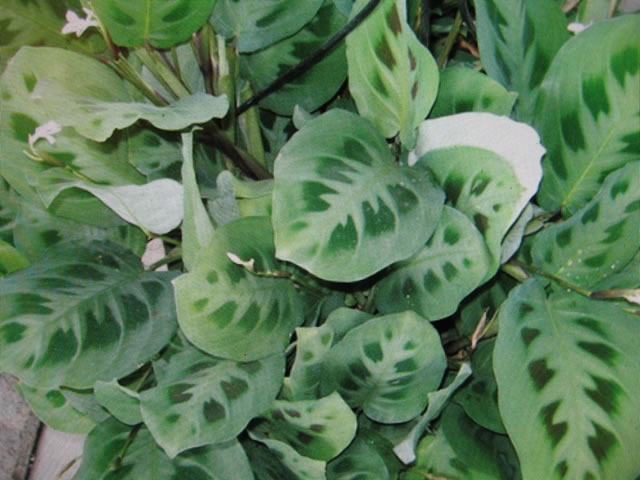
Pin On My Houseplants
Post a Comment for "Repotting Calathea: Everything You Need to Know"